Explore our multimedia interviews, talks, panel discussions, documentaries, and print publications.
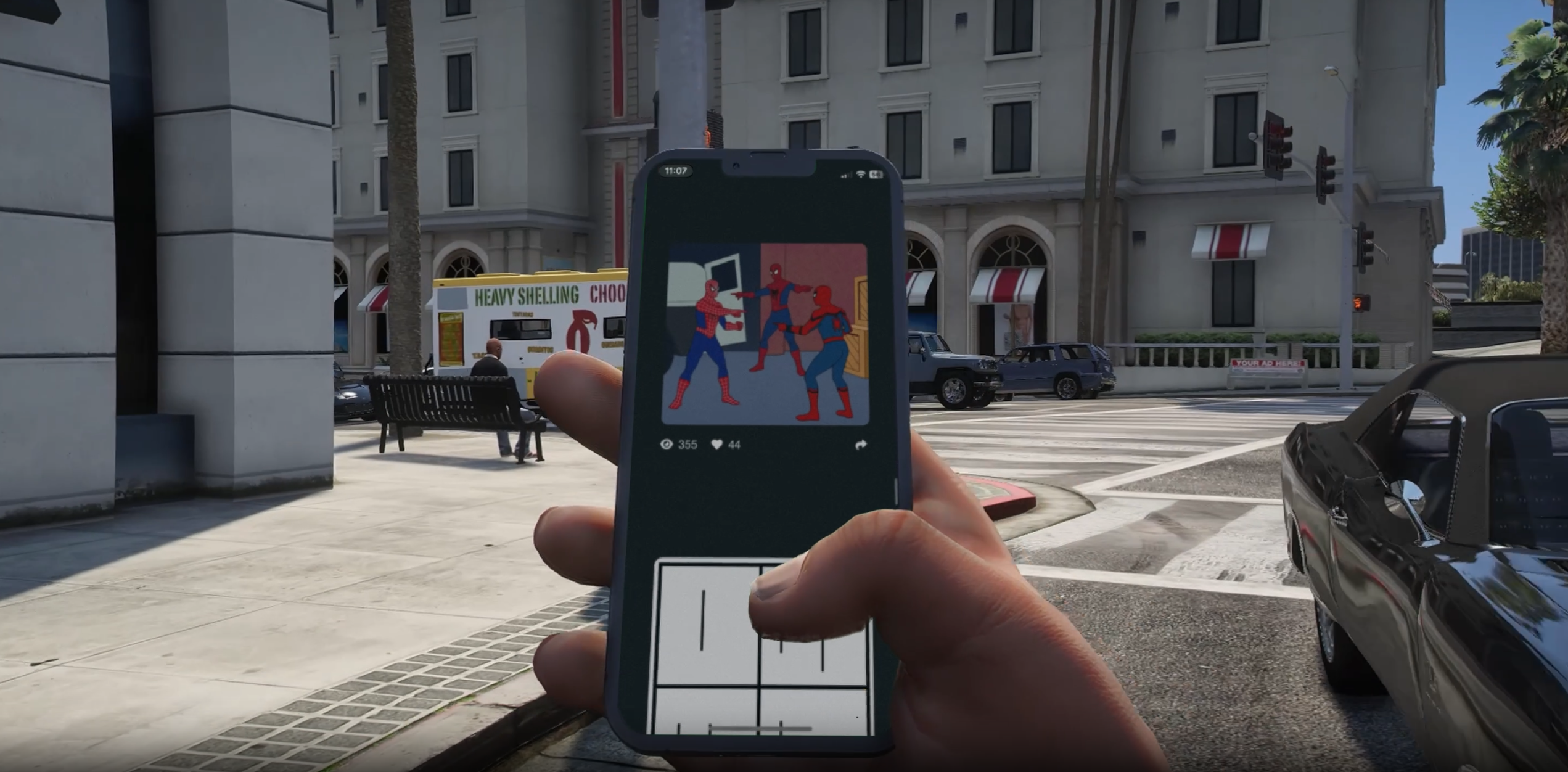
"First Person Scroller" is a visual essay by Superposition and Idil Galip, commissioned by Media Majlis Museum.

Within today's social media landscape, we are inundated with gossip, rumors, and fabrications. Images, videos, music, and memes blur the line between fact and fiction, prioritizing authenticity over accuracy to orchestrate our emotions.
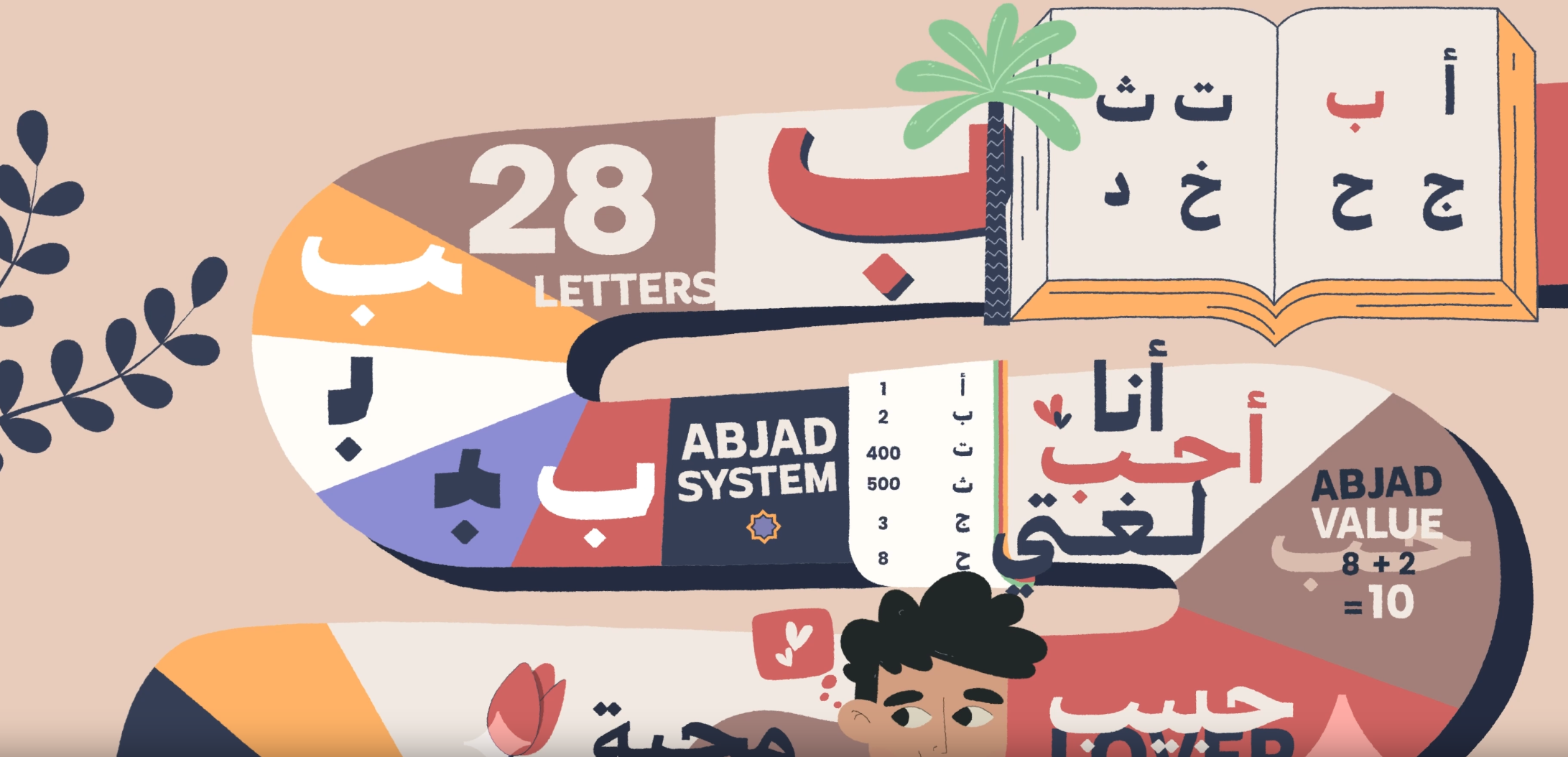
Over 400 million people worldwide speak Arabic. It is the language of the holy Quran and one of the six official languages of the United Nations.
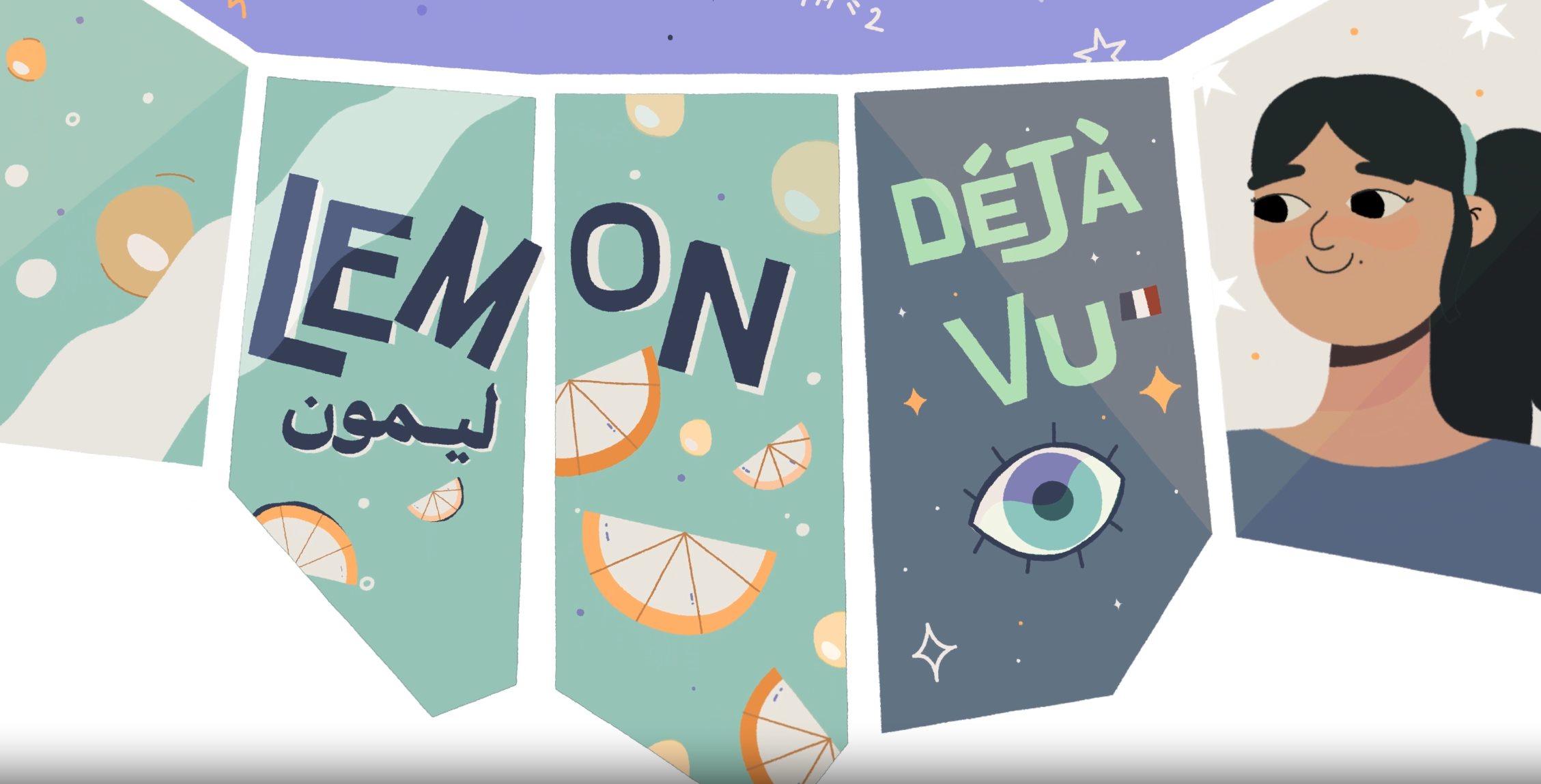
Linguistic borrowing is the process by which words are adopted or adapted from one language to another. The words that are borrowed are known in linguistics as loanwords.
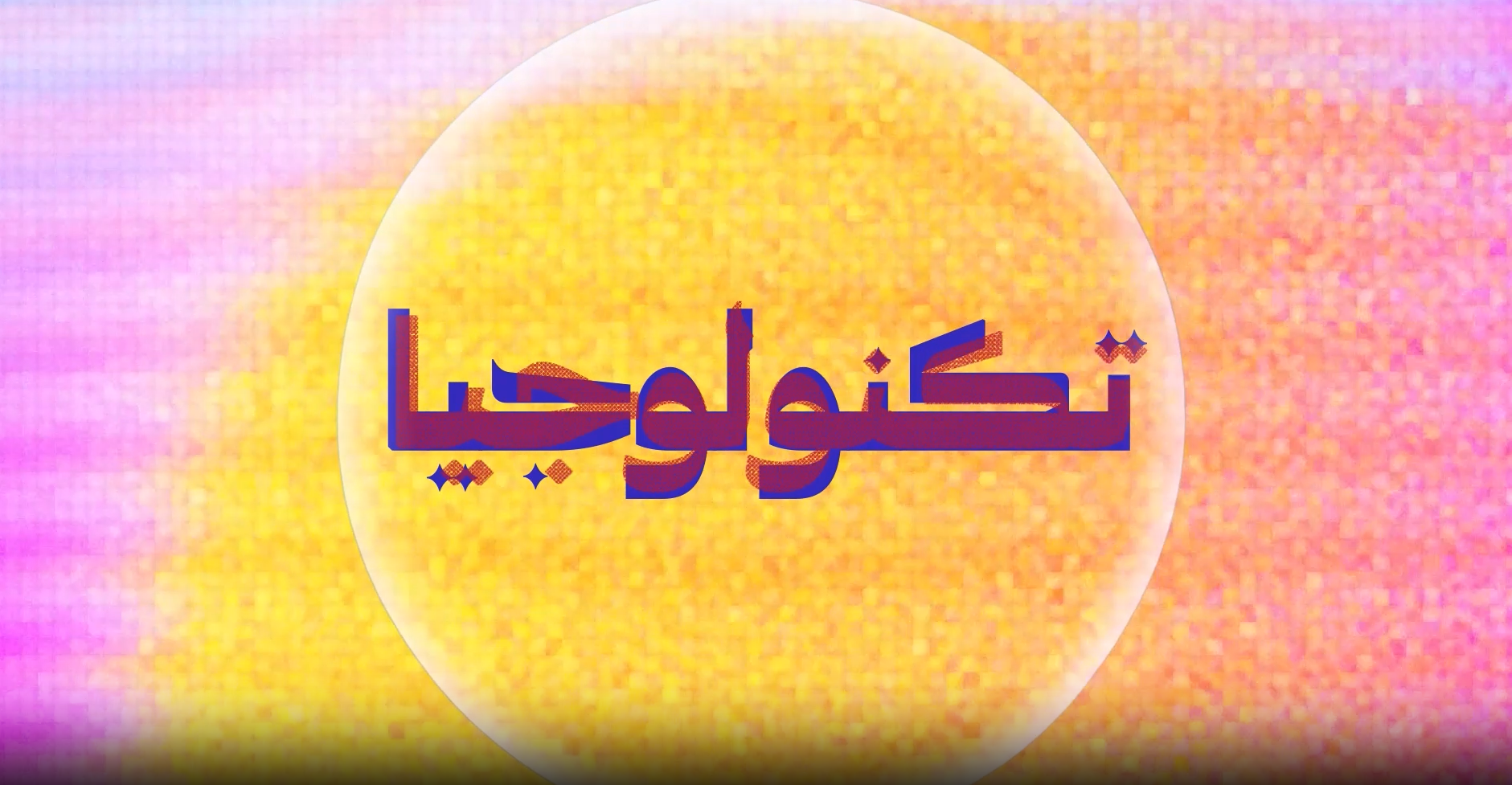
Borrowing words is common in most languages, but it has caused some specific issues in the Arab world. For a long time, finding Arabic words for technology was seen as important for Arab identity.
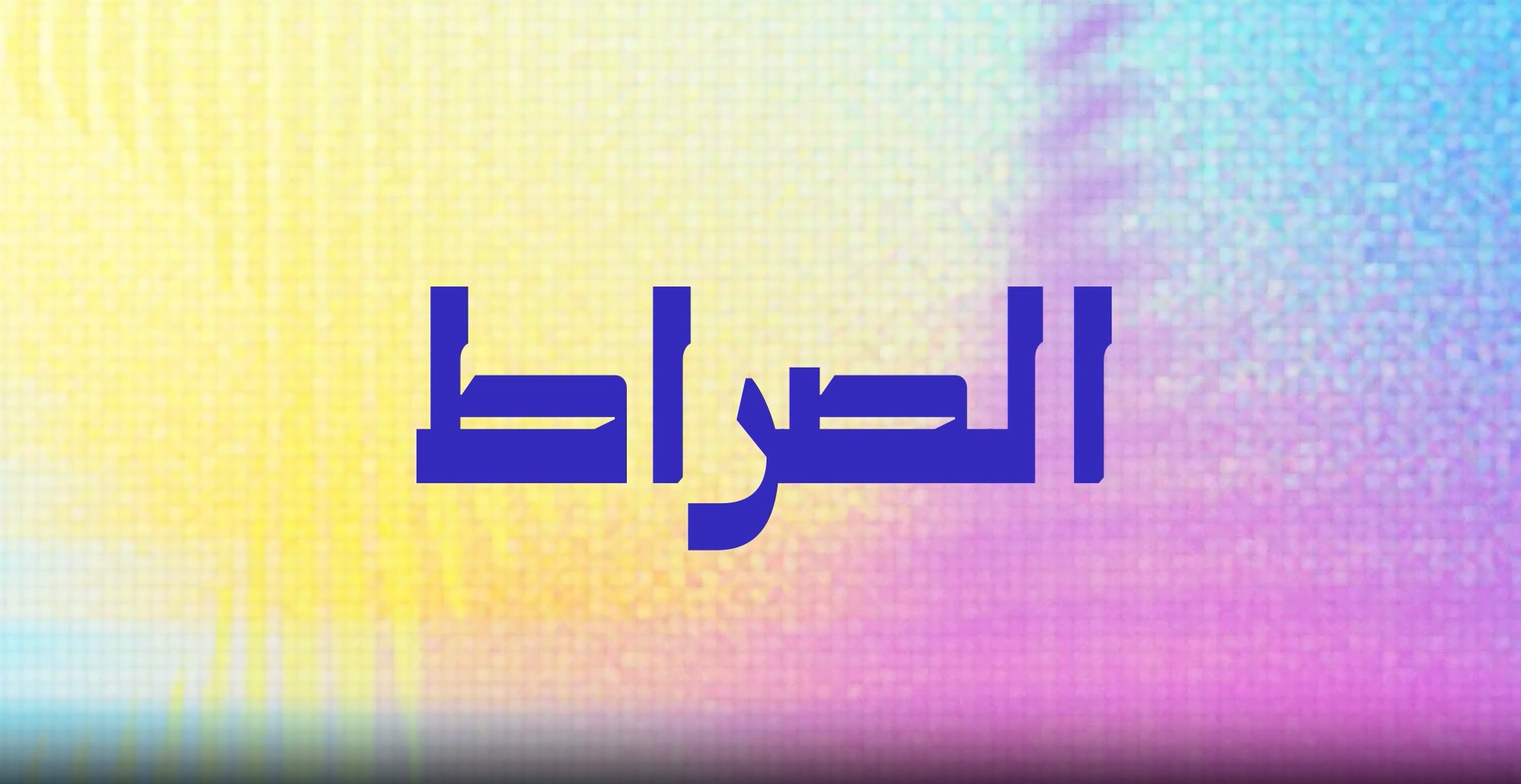
Linguistic borrowing is a natural process that has occurred for millennia across all languages. The word "sirāt" (straight path) exemplifies one such journey that a word can take.
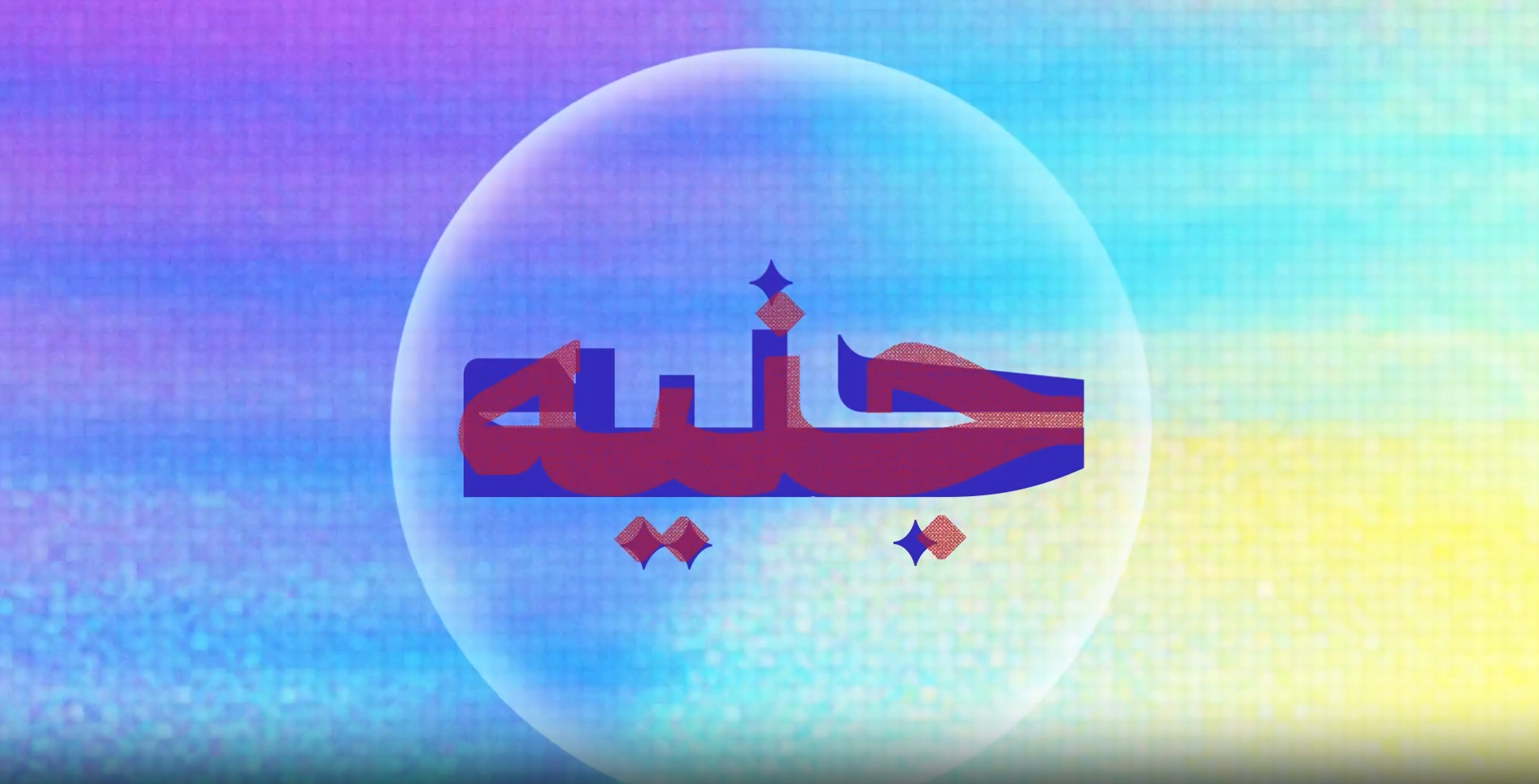
The borrowing of words reflects interactions between cultures. The Egyptian currency, "Genēh," derives from the word "Guinea", the name of an old British coin.
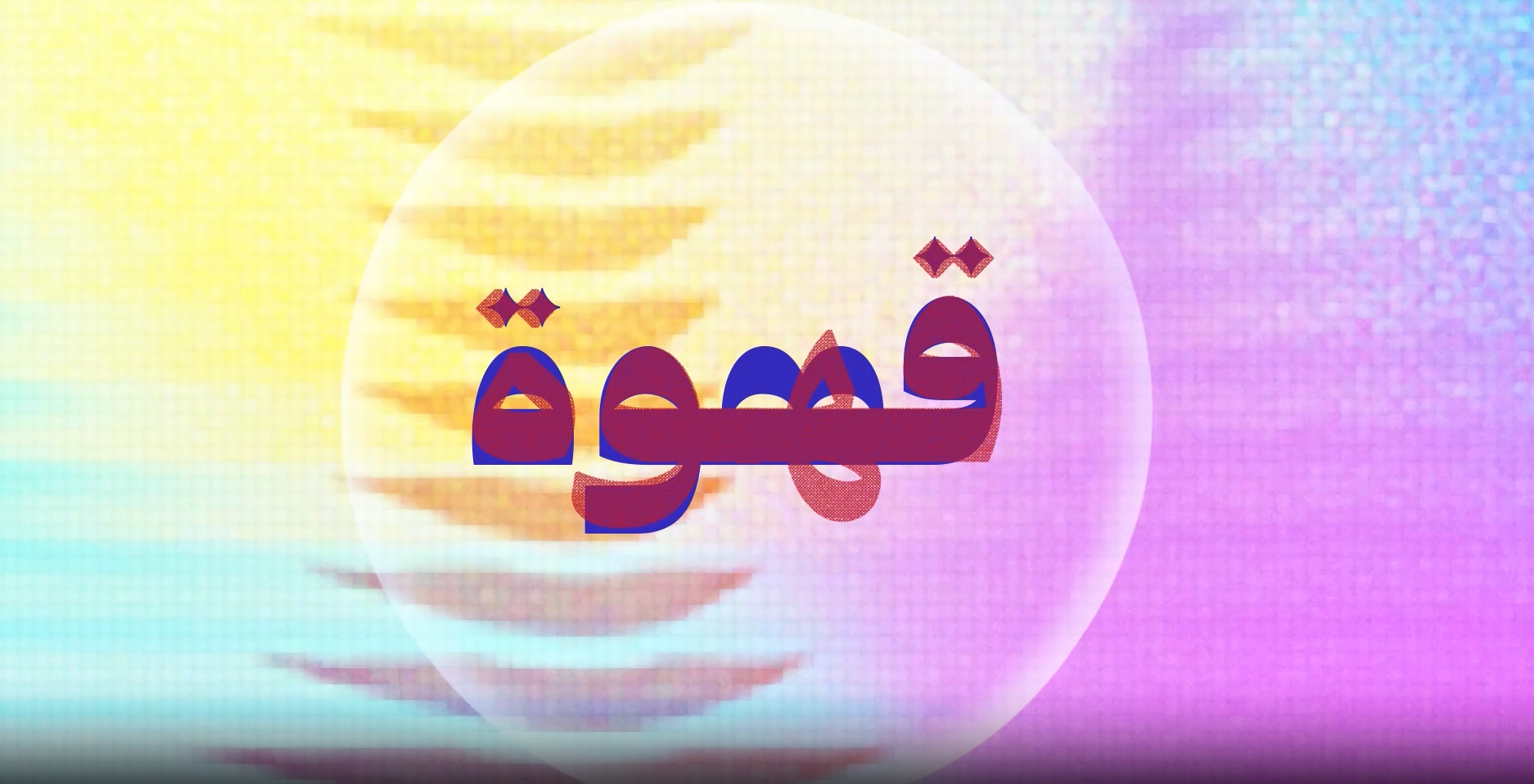
When words enter a language, they adapt to the preferences and requirements of its speakers. Coffee is a perfect example.
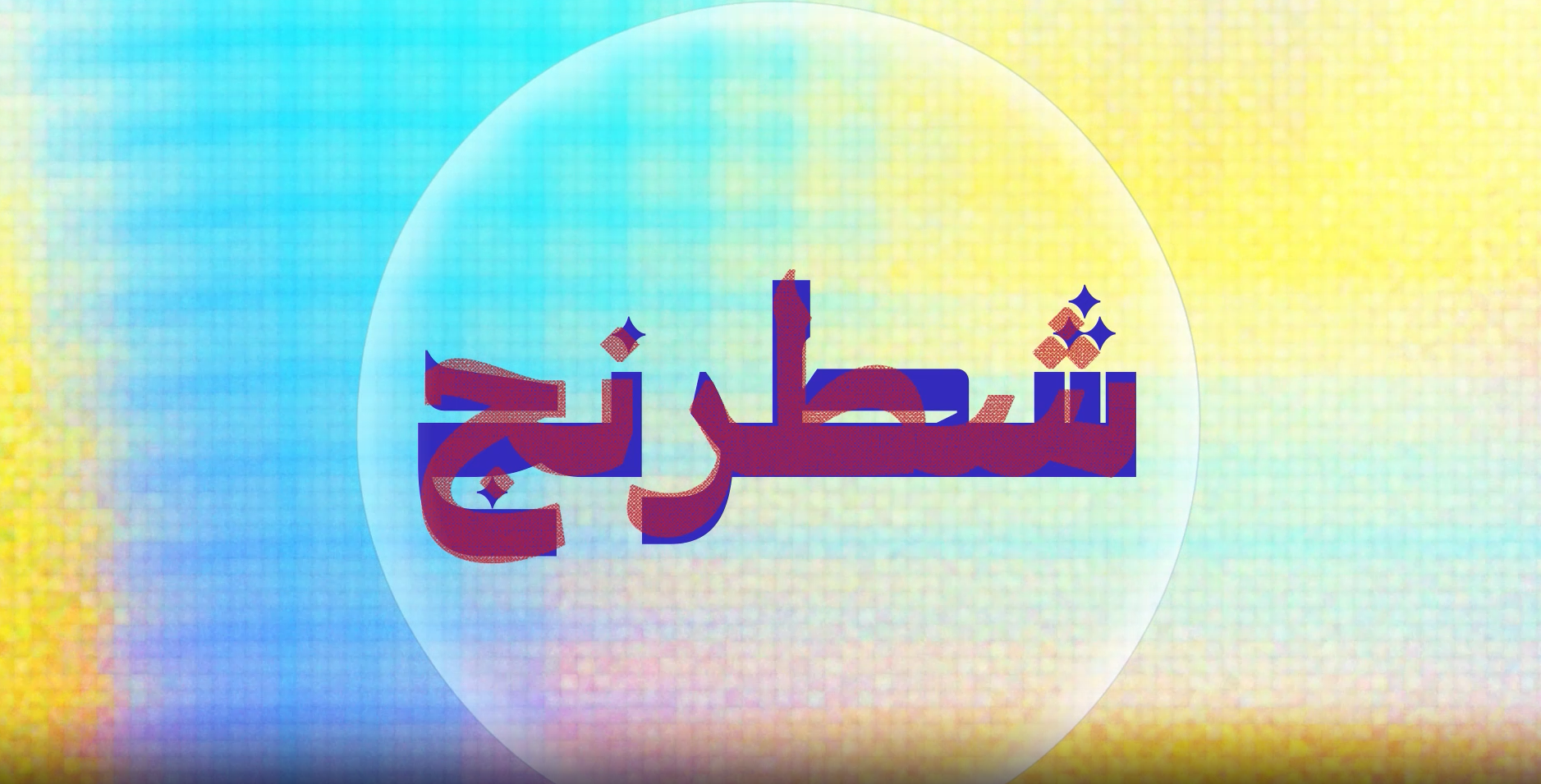
Some words have histories older than the language they populate. "Chess" is one such example, which reveals the impact of cultural interactions on language.
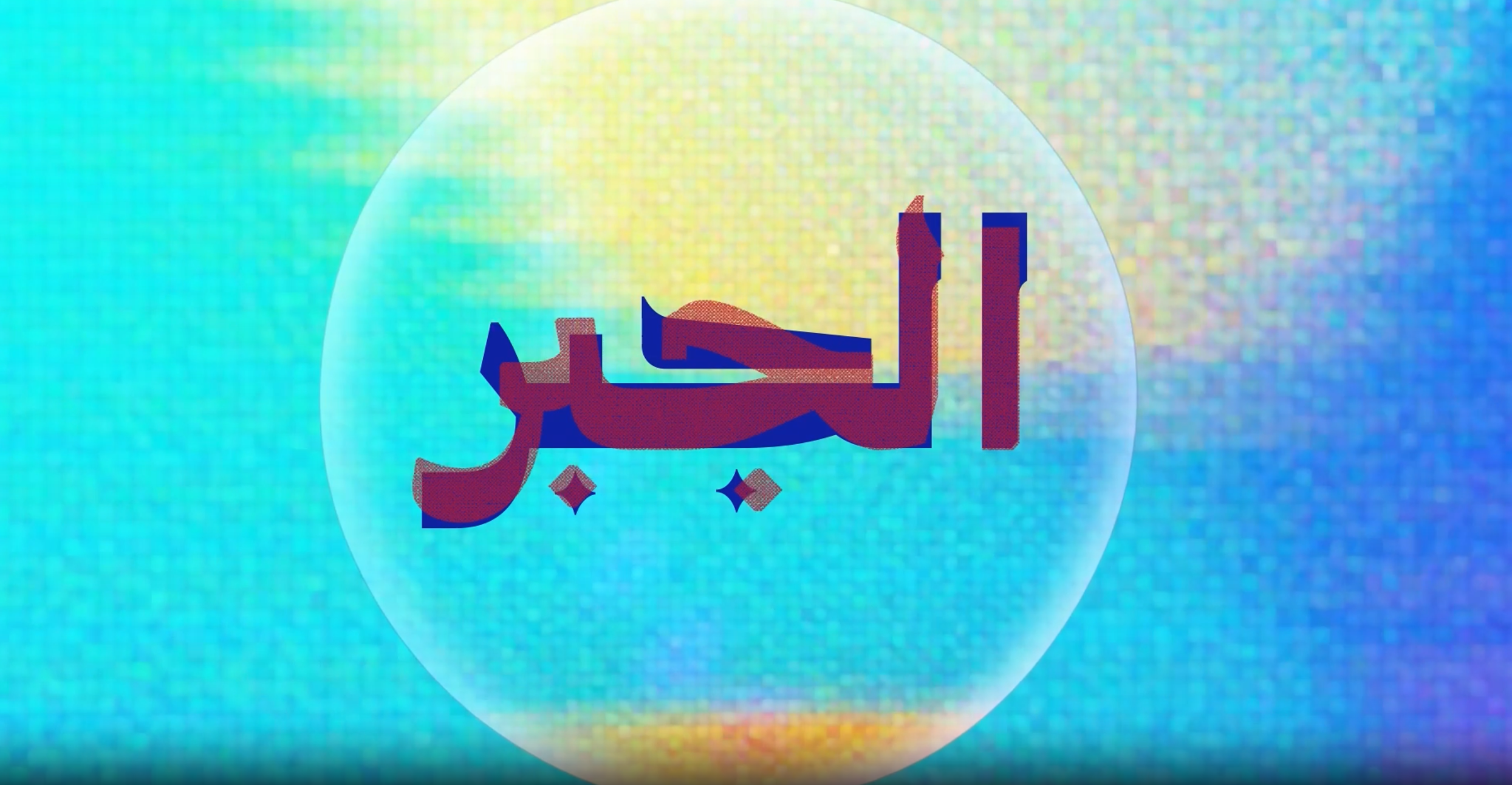
Loanwords such as "algebra" have a complex history. Exploring the linguistic journey of "algebra" from multiple perspectives illustrates how our perception of loanwords develops over time.
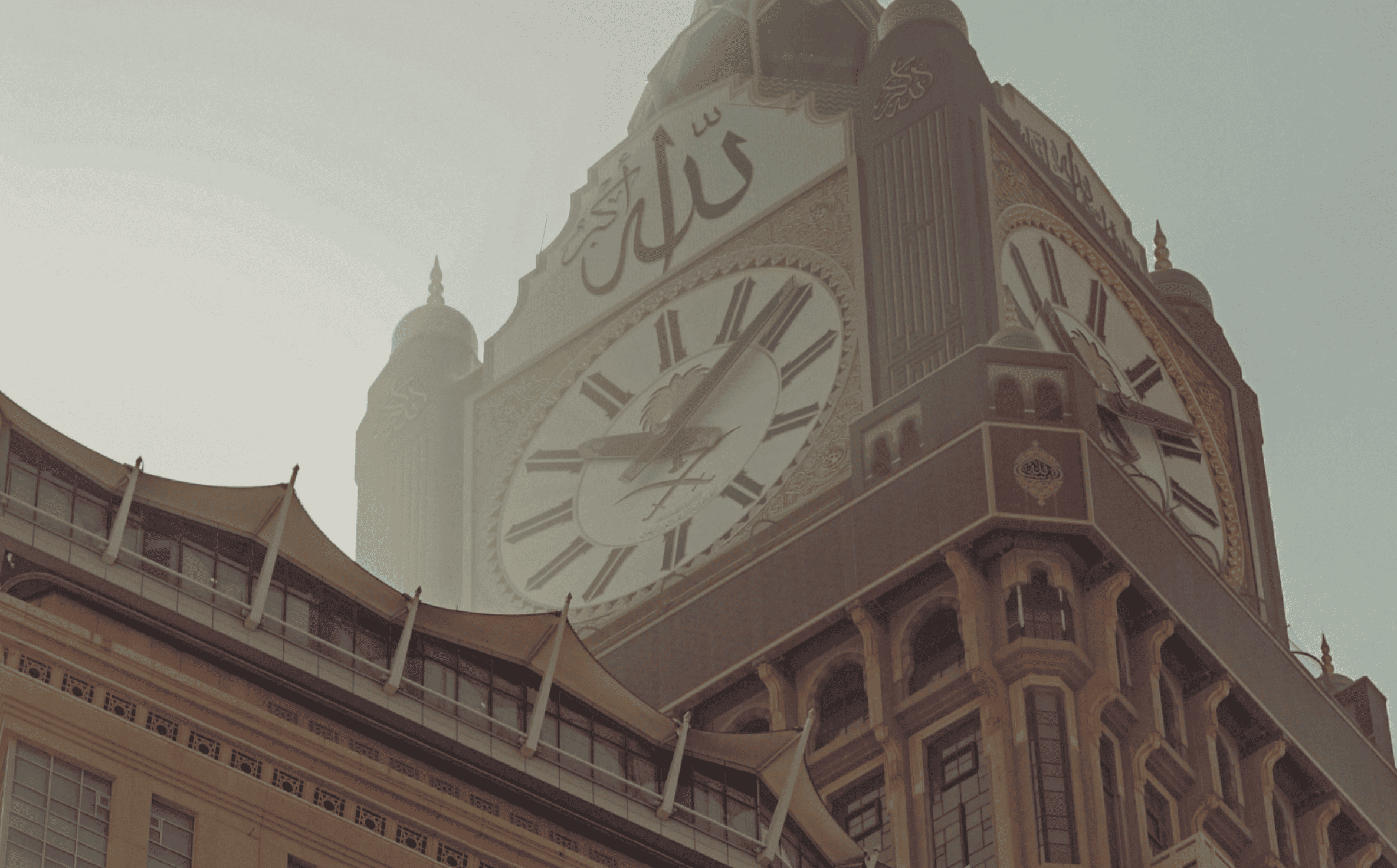
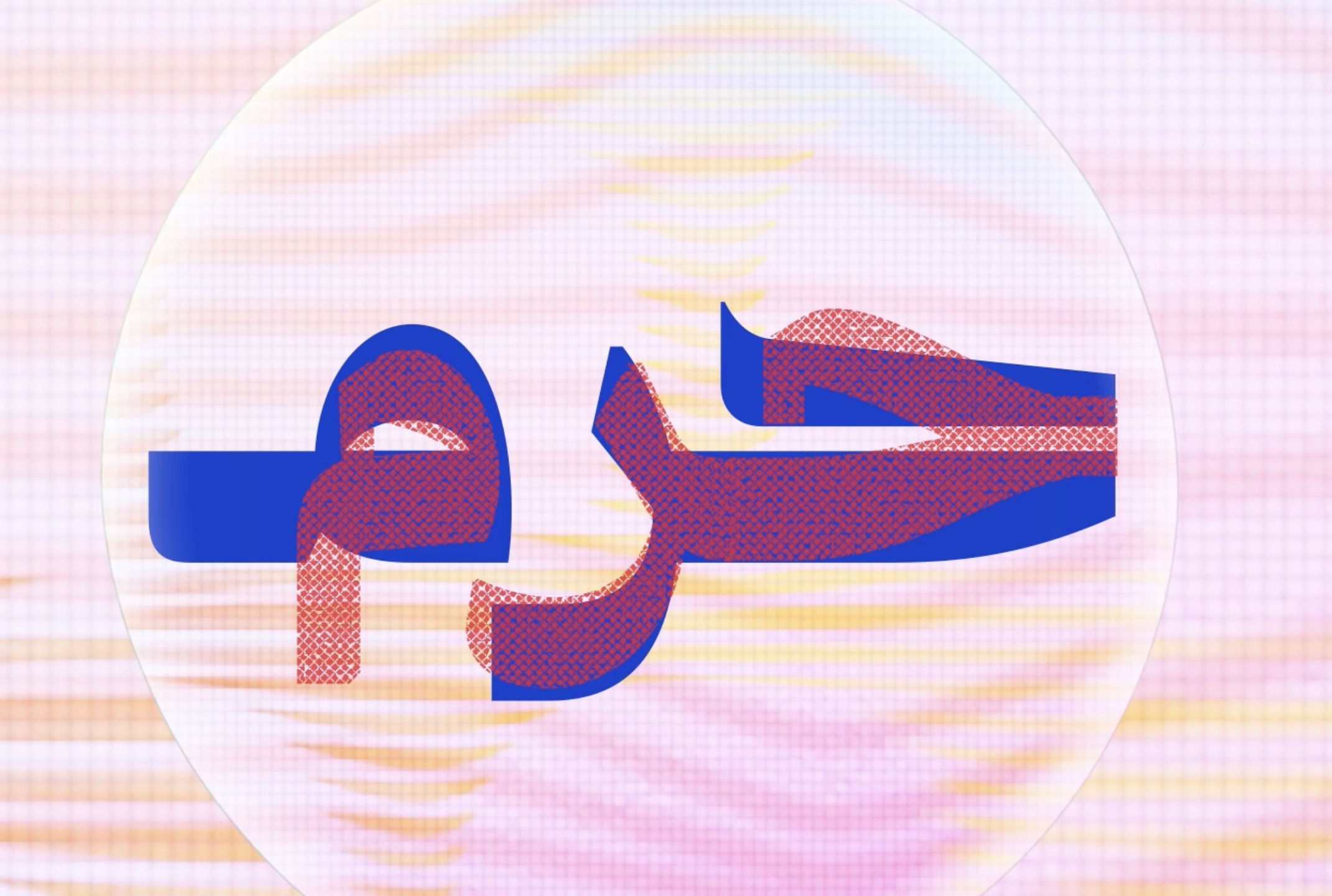
Loanwords are everywhere, even on maps. For Islam's holiest city, however, the English word "Mecca" has undergone a problematic transformation.
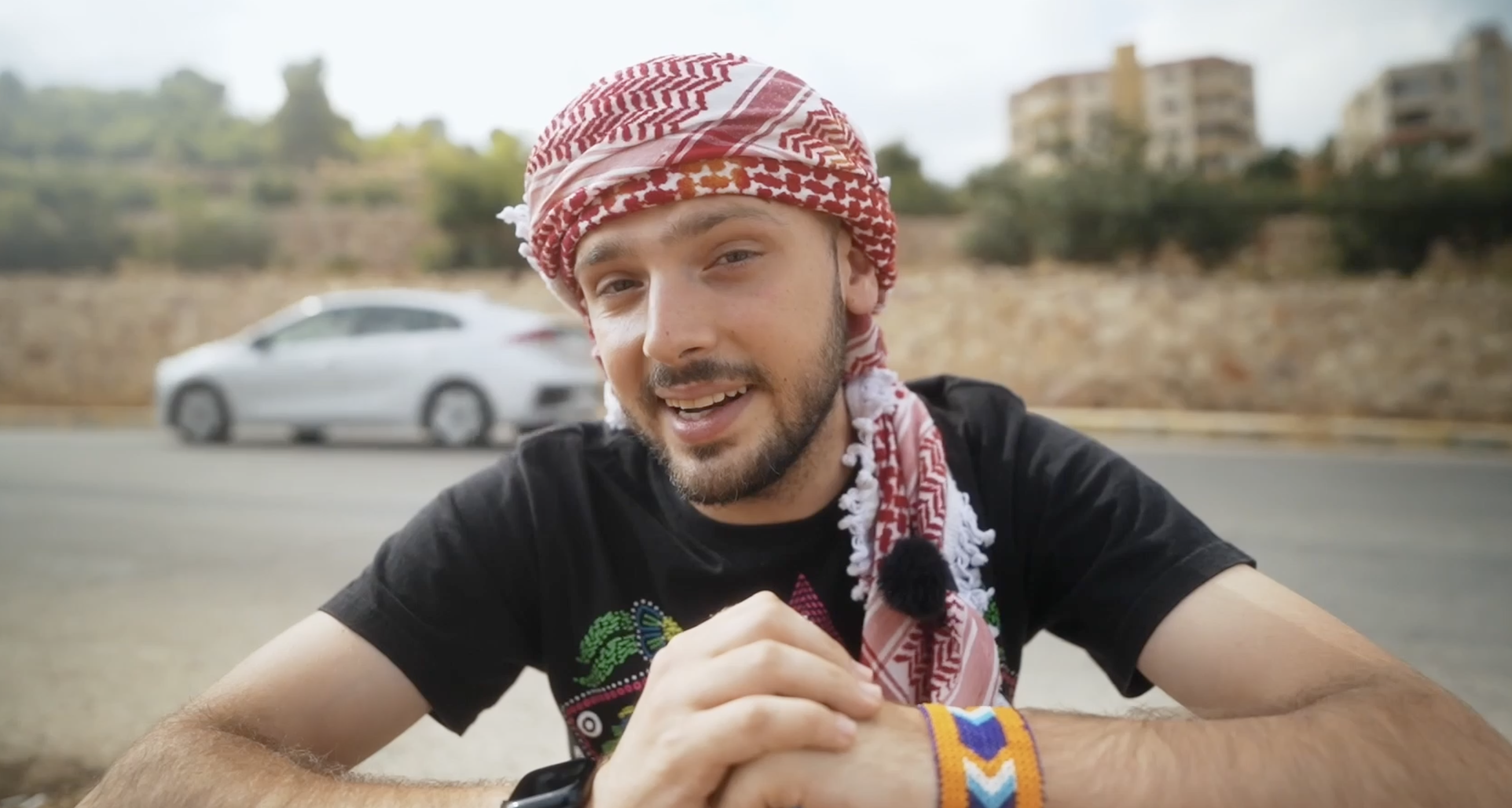
Qasem Elhato, also known as Ibn Hattuta, is a full-time international traveler. His current goal is to visit and make a video in Arabic from every country in the world.

Television producer Najeeb Nseir shares insights on the production of Arab television dramas and the industry's evolution.

Myriam Djelouat Benaorya introduces MILLE World, and their collaboration with Gucci for Ramadan 2021.

Composer Fahir Atakoğlu discusses the role of music in Turkish television dramas and its contribution to the global appeal of musalsalat.
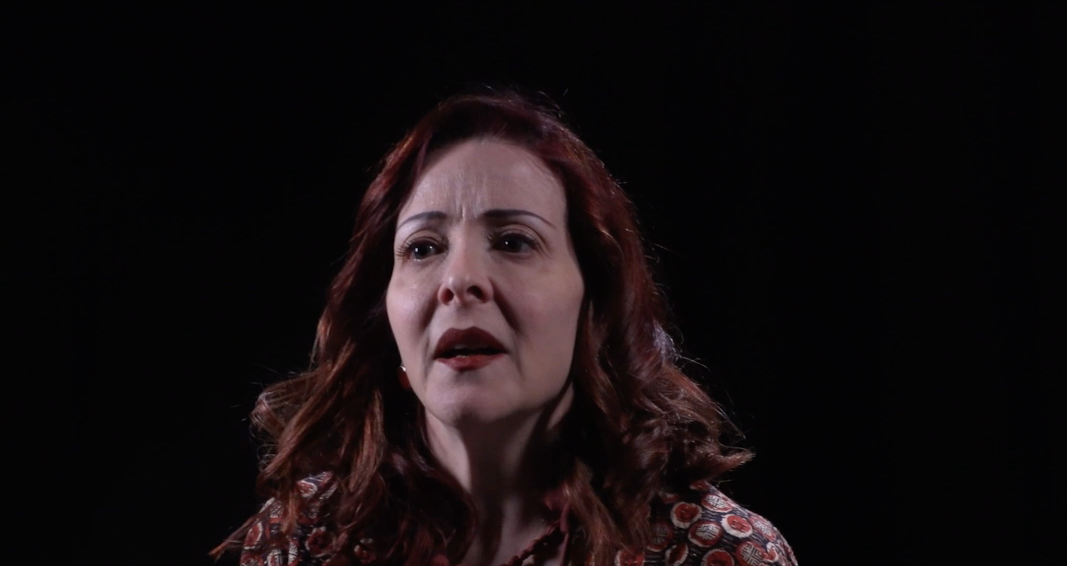
Anthropologist Christa Salamandra examines Syrian television drama and its reflection of social and political dynamics.

Filmmaker Aseel AlYaqoub discusses the evolution of Gulf television production and the unique characteristics of Khaleeji drama.
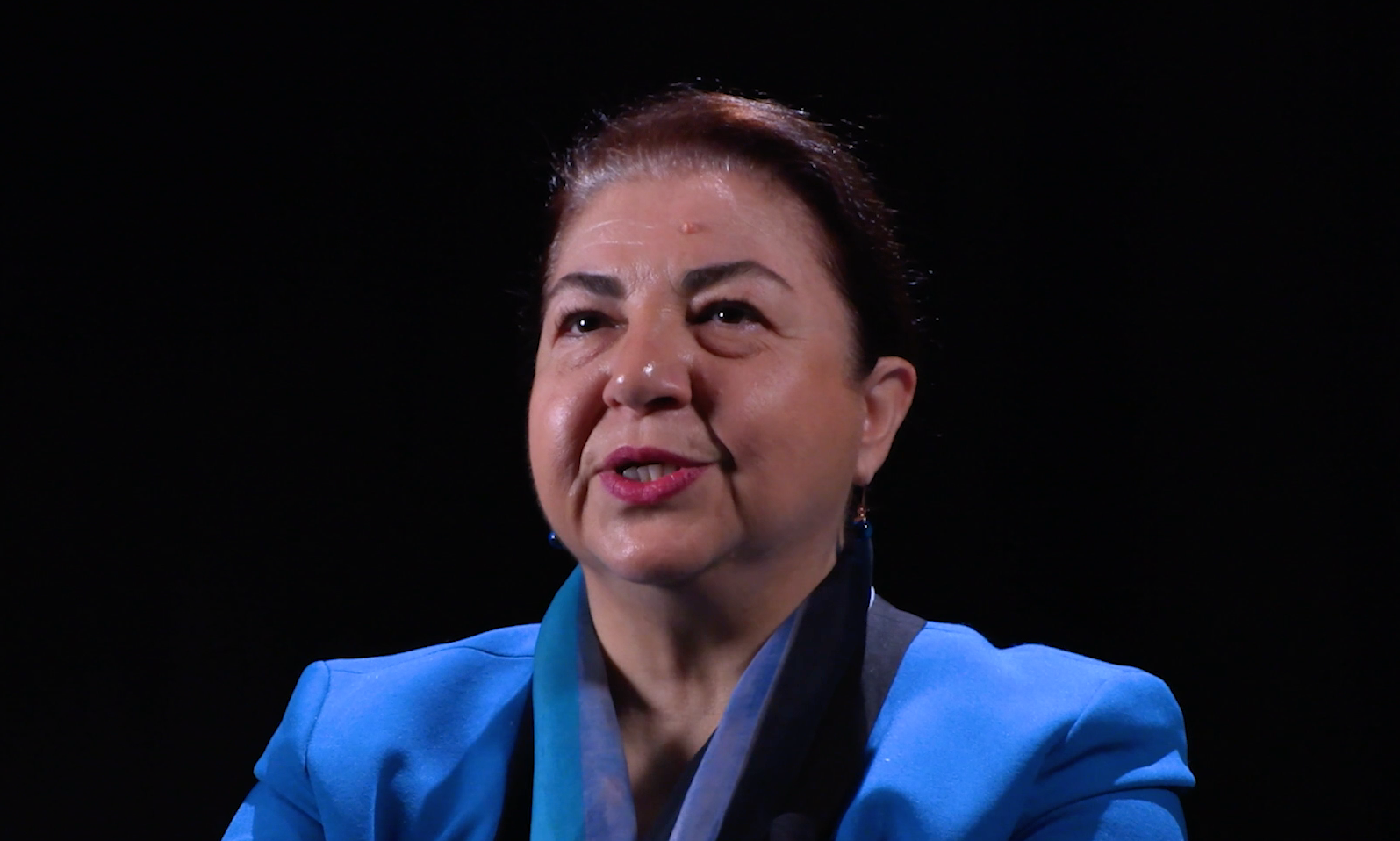
Professor Arzu Öztürkmen explores the cultural impact of Turkish television dramas across the Arab world and their role in shaping regional popular culture.
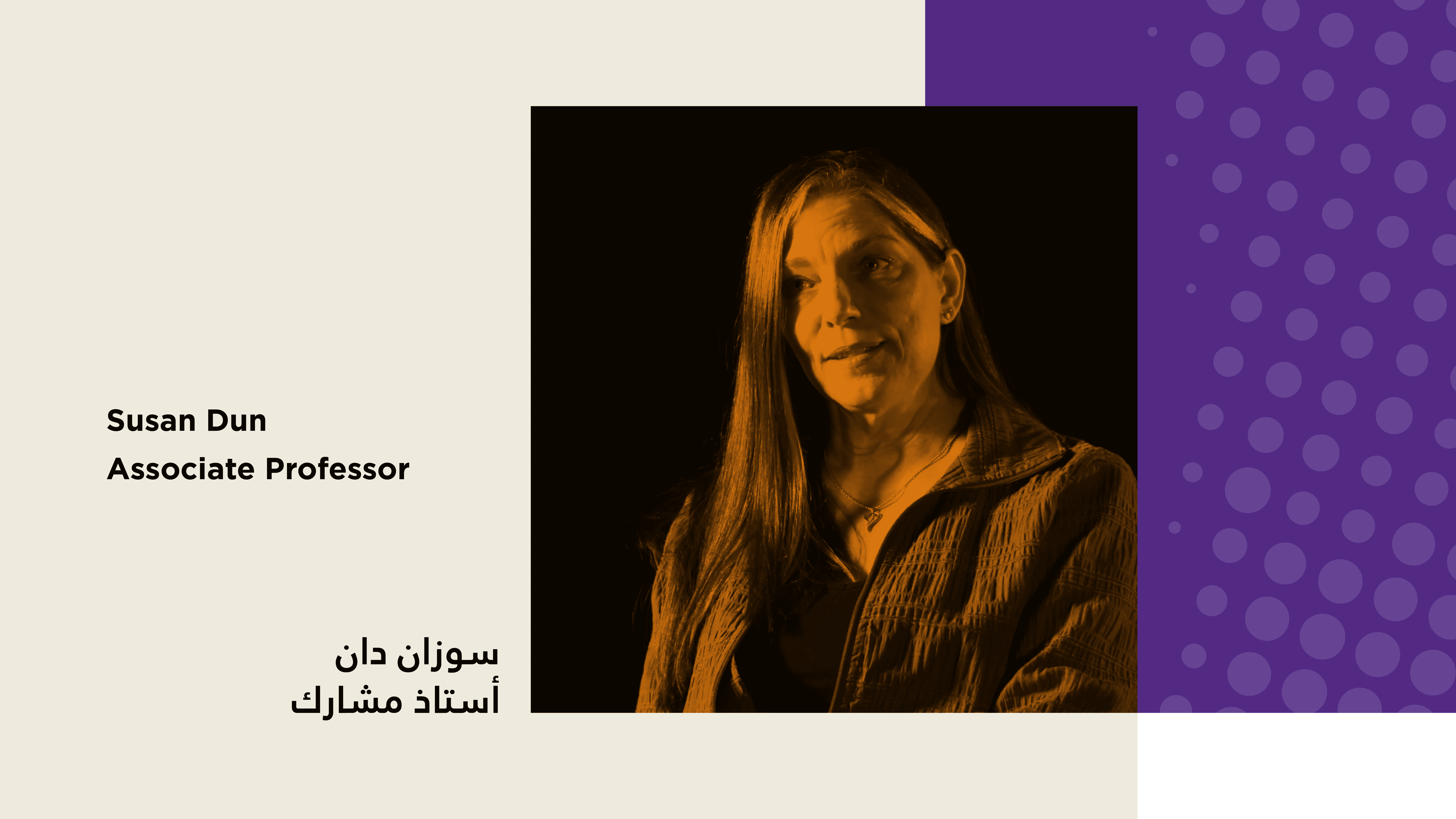
Professor Susan Dun discusses the intersection of sports communication and gender, examining media representation of women in football.
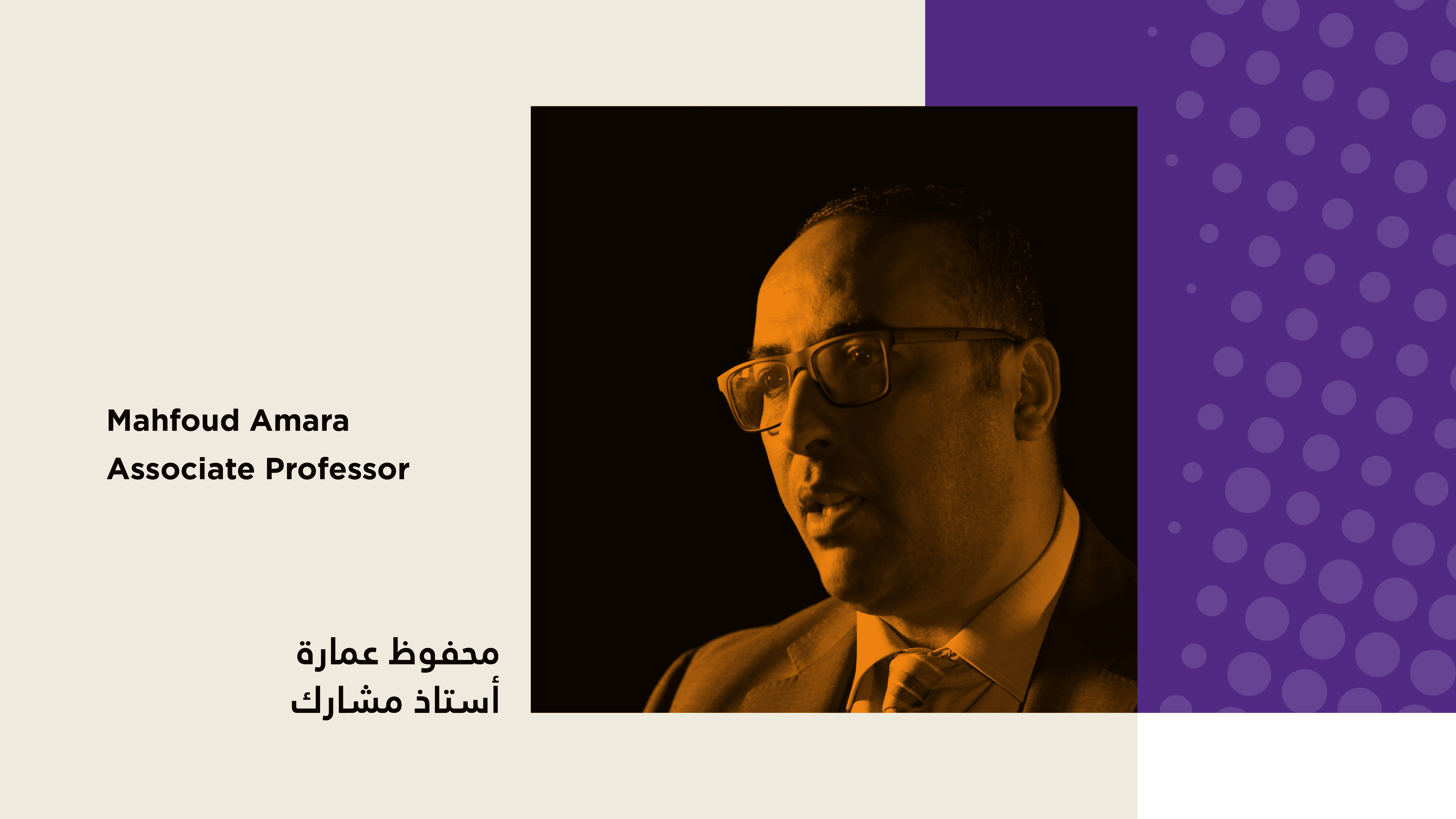
Professor Mahfoud Amara explores the relationship between football and politics in the Arab world, examining how the sport reflects broader social and political dynamics.
.png)
Qatari football fan Shaikha Ali Al-Marri shares her experiences as a woman in football culture, discussing the changing landscape for female fans in the region.
.png)
Professor Simon Chadwick analyzes the geopolitics of sport in the Gulf region, examining how football has become a tool for soft power and nation branding.
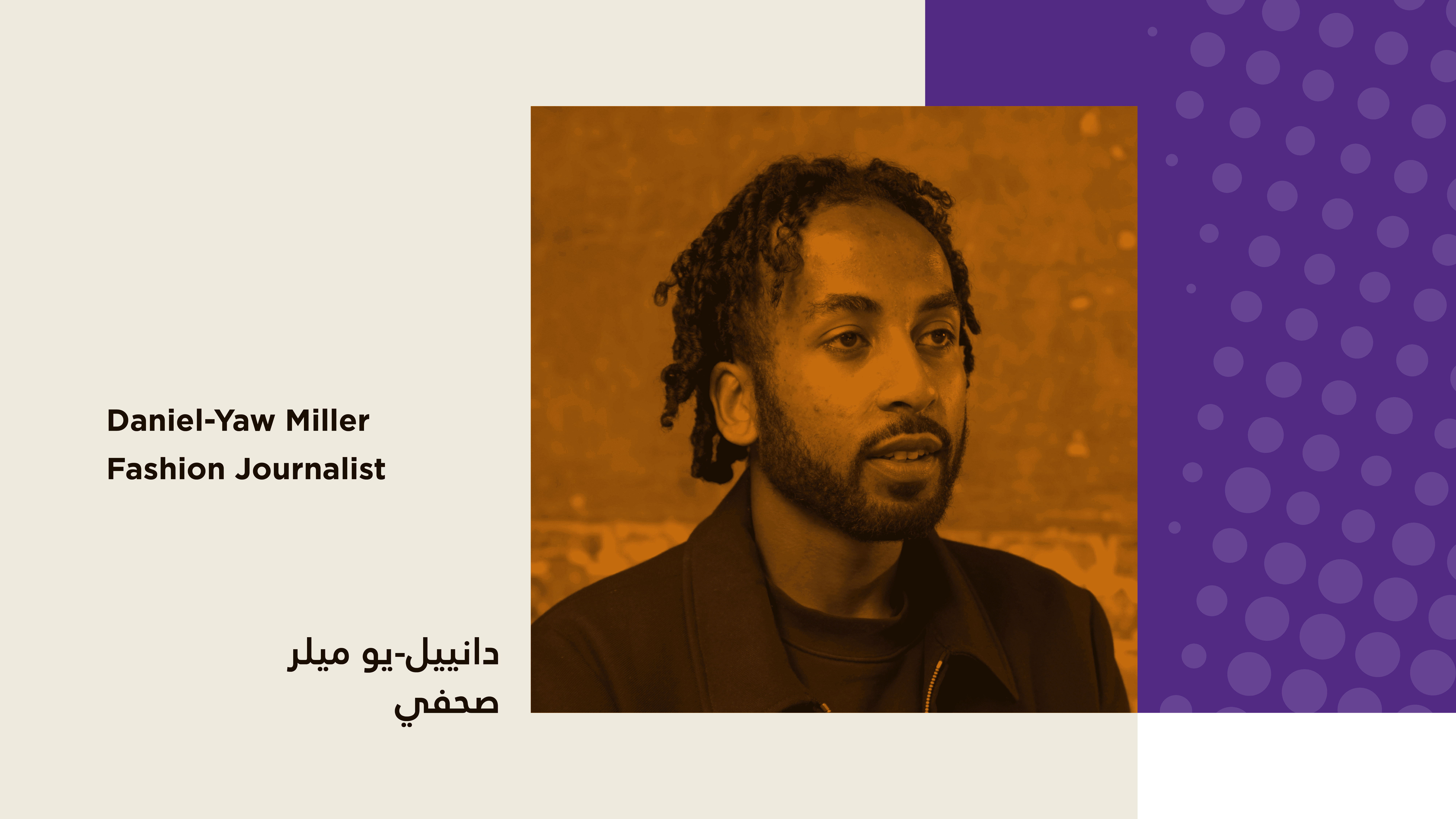
Sports journalist Daniel Yaw Miller discusses the evolution of football coverage in the Middle East and the growing influence of the region on the global football landscape.
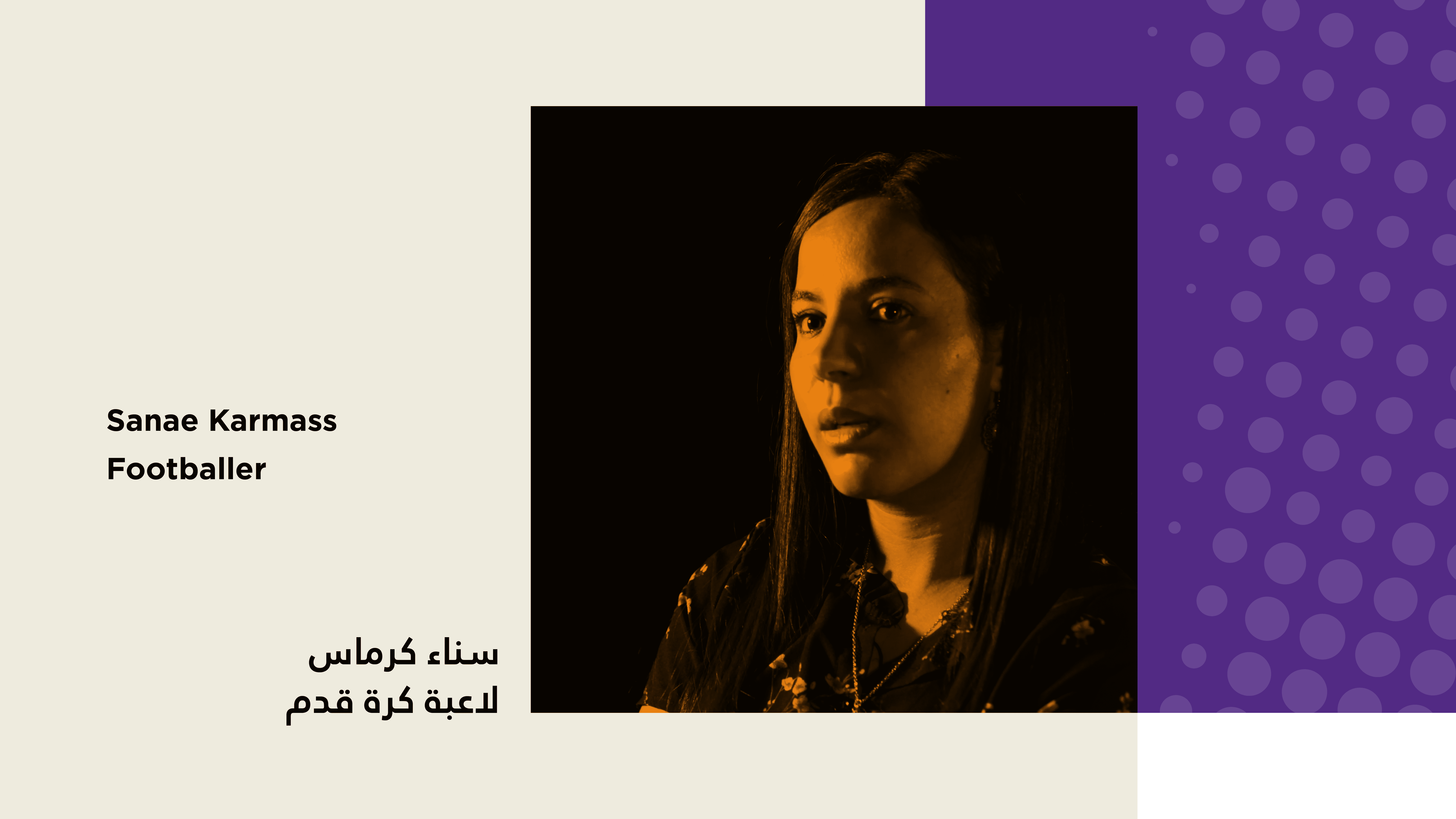
Football enthusiast Sanae Karmass shares her passion for the sport and reflects on how it has shaped her identity, discussing the cultural significance of football in Morocco and its role in bringing communities together.
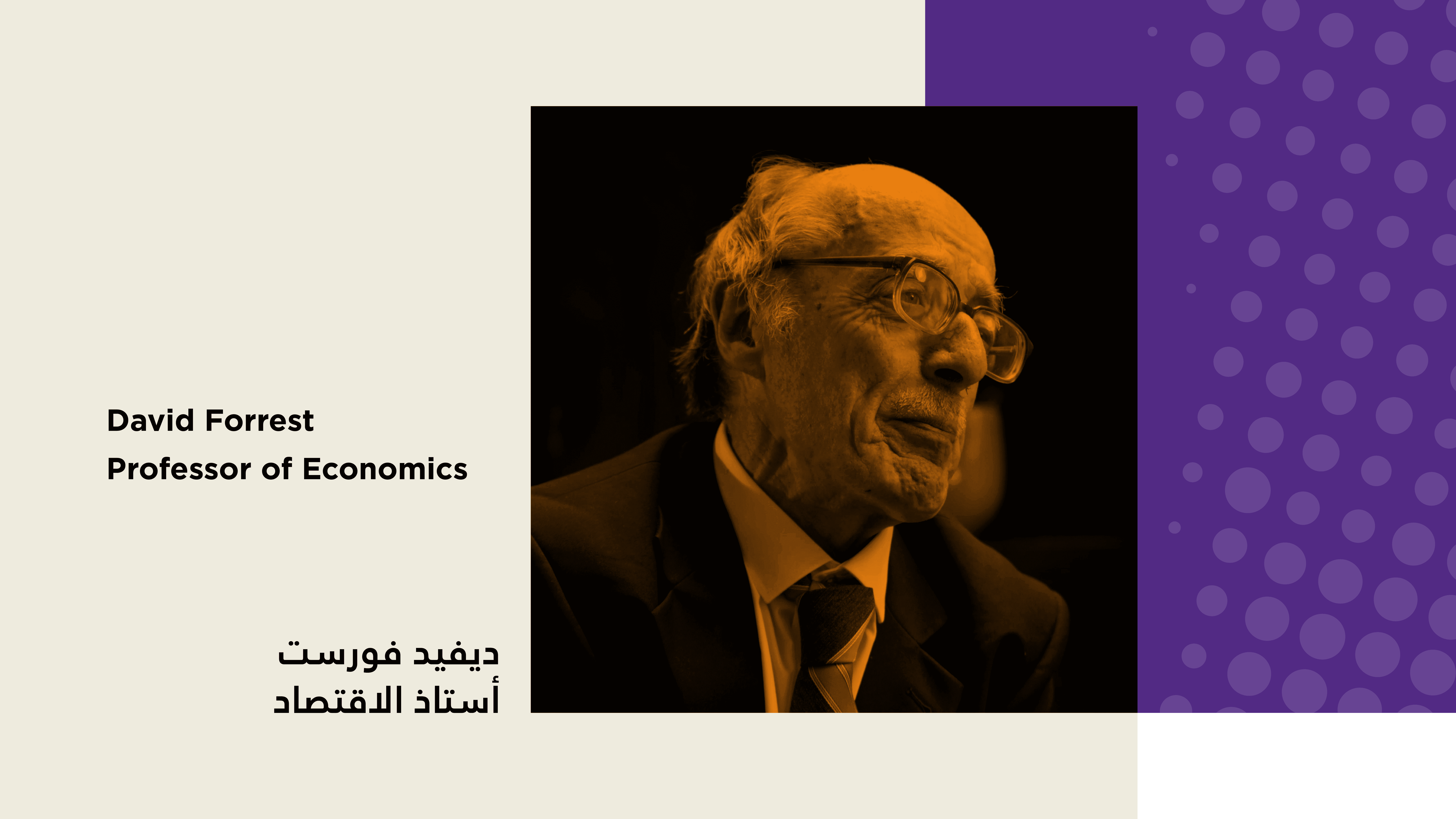
Economics professor David Forrest discusses fairness, corruption, and match-fixing in football through the lens of supply and demand.
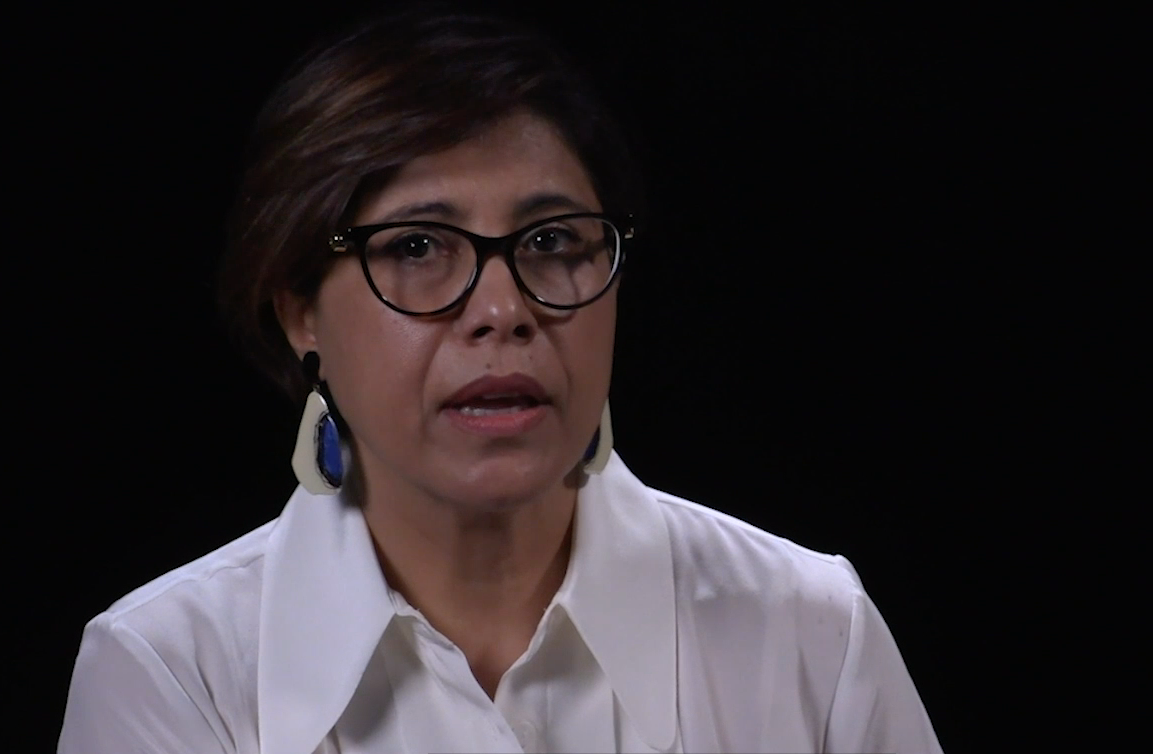
Professor Ilhem Allagui examines digital media and its role in shaping public opinion and political discourse in the Arab region.
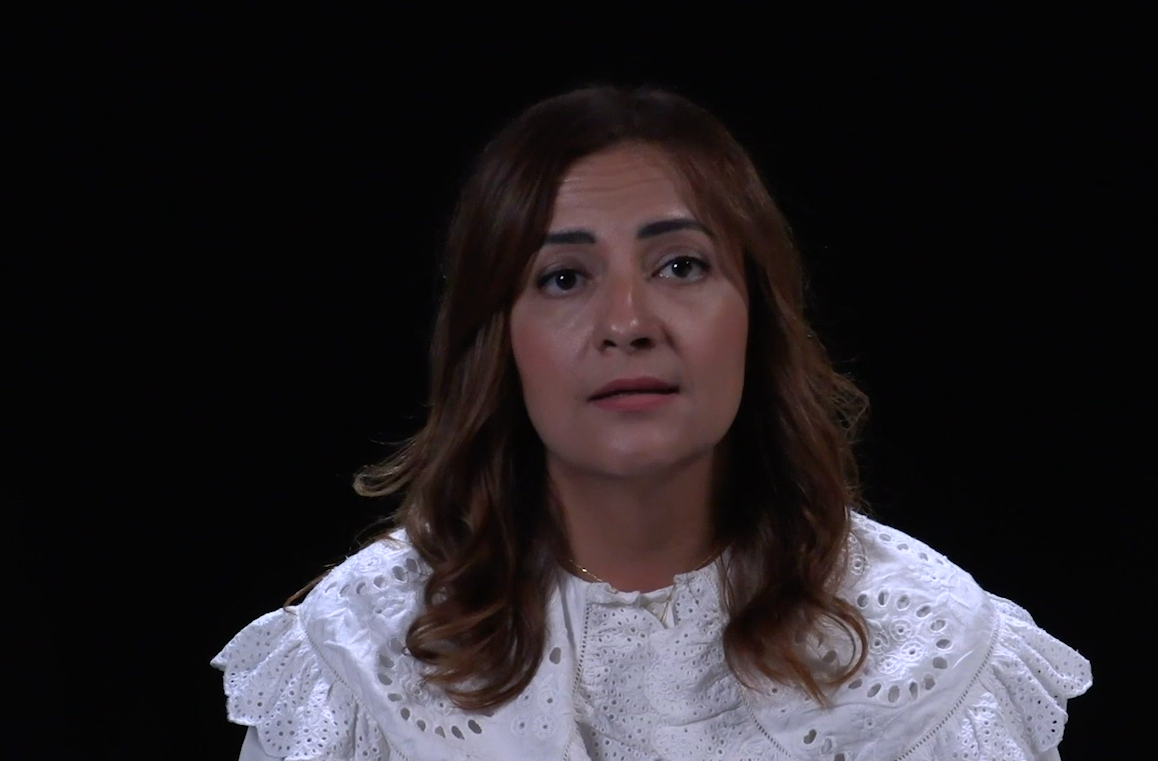
Designer and author Basma Hamdy discusses the role of graphic design in political movements and visual activism in the Arab world.

Animator Sulafa Hijazi discusses the power of animation in telling Arab stories and preserving cultural narratives.

Creator of THE 99, Dr. Naif Al-Mutawa discusses using comics to promote positive values and challenge stereotypes about Muslims.

Latifa Al-Darwish reflects on Qatari identity and the role of media in shaping national narratives.

Political cartoonist Khalid Albaih discusses the power of visual art in political commentary and social change in the Arab world.

Historian Karine Walther examines the historical roots of American perceptions of Islam and the Muslim world.

Film distributor Irit Neidhardt discusses the challenges and importance of bringing Arab cinema to international audiences.

Professor Evelyn Alsultany analyzes the representation of Arabs and Muslims in American television, examining how media shapes public perception.
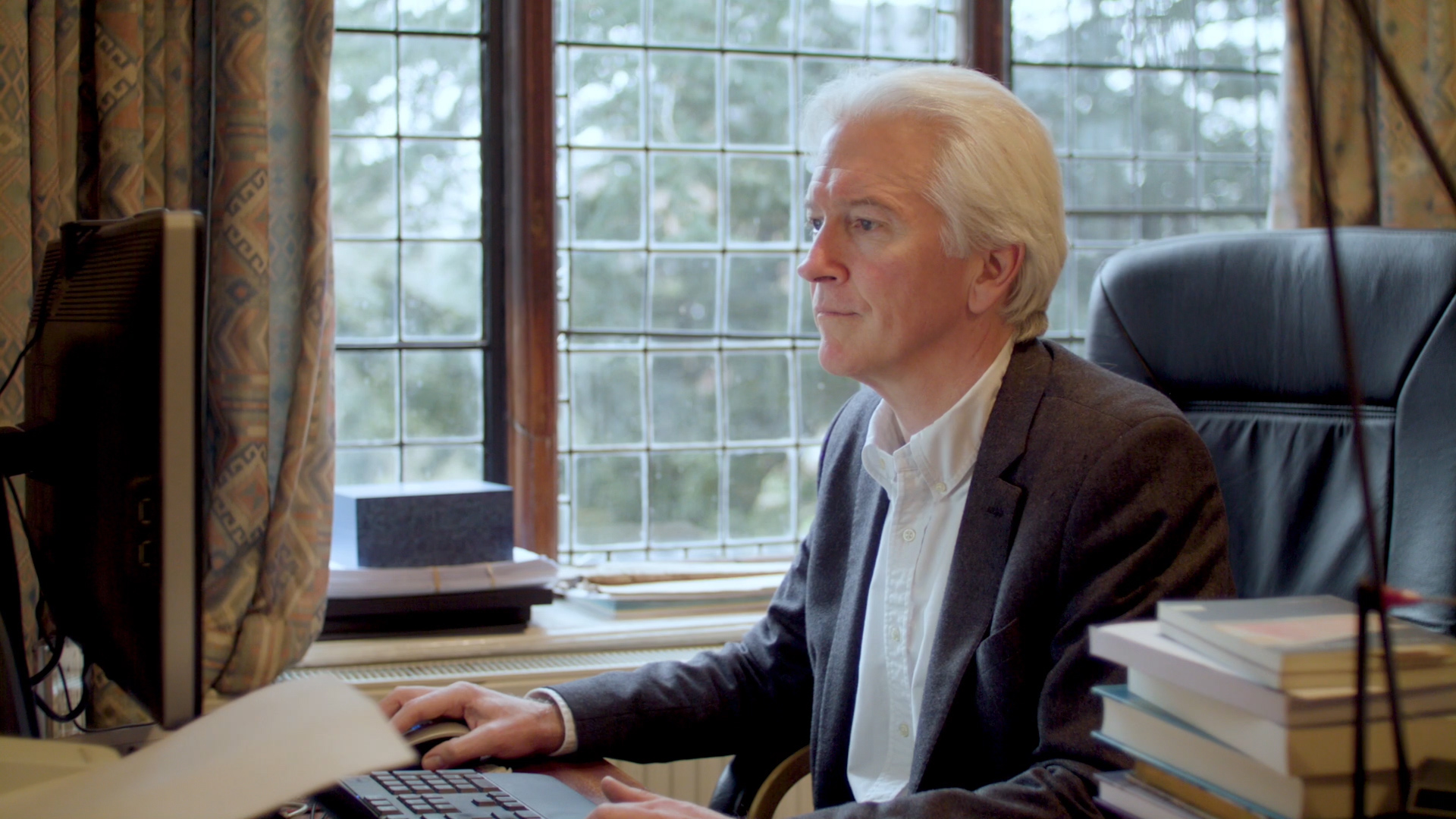
Historian Eugene Rogan discusses the complexities of Arab history and identity, examining how historical narratives shape contemporary understanding.

Media professional Deana Nassar reflects on her experiences in Arab media and the challenges of authentic representation.

Filmmaker Colette Ghunim discusses her work exploring Palestinian identity and diaspora through documentary filmmaking.

Professor Brian Edwards examines the representation of Arab identities in American media and film, exploring stereotypes and evolving narratives.

Photographer and collector Abboudi Bou Jaoude discusses the power of archival photography in preserving Arab cultural memory and identity.
Explore our exhibition catalogs and glossaries